Walk down any vitamin aisle and you'll see biotin on almost every hair, skin and nail product. But what does this nutrient actually do, and what should you expect from it?
What biotin is
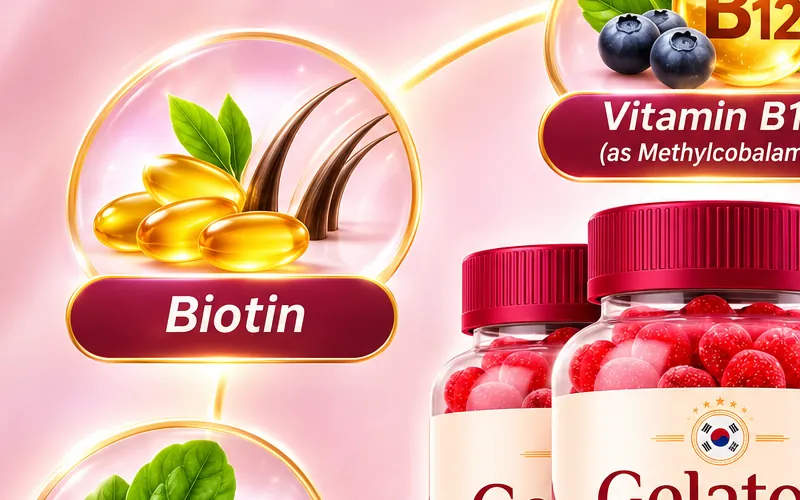
Biotin (sometimes called vitamin B7) is a water-soluble B vitamin. According to the NIH Office of Dietary Supplements, it helps turn the carbohydrates, fats and proteins in food into the energy your body needs. Eggs, organ meats, fish, seeds, nuts and some vegetables like sweet potatoes are natural sources.
How much do adults need?
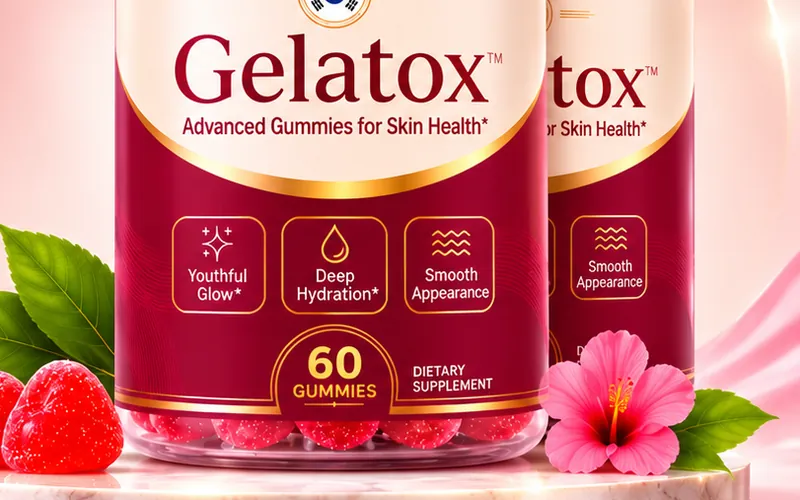
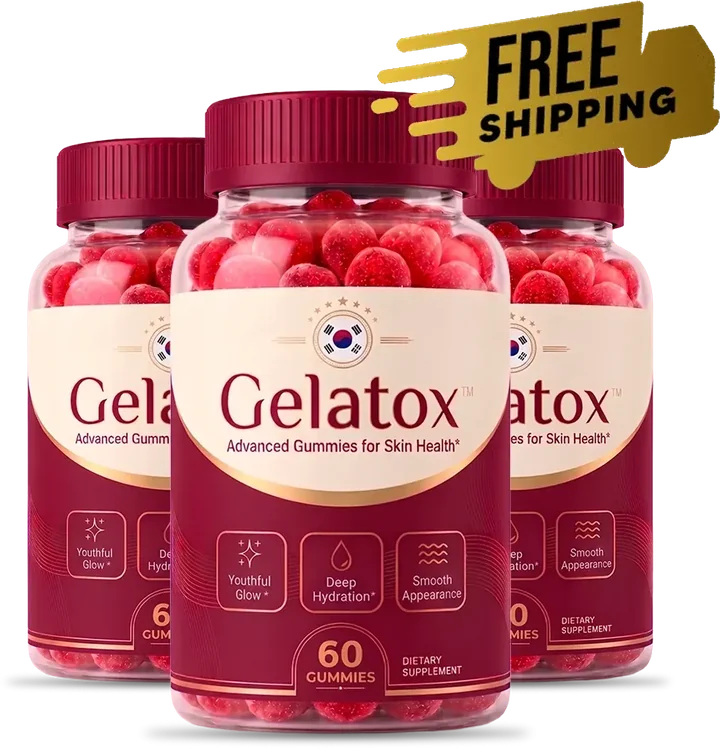
The adequate intake for adults is 30 mcg per day. Most people get enough from food, and biotin deficiency is rare in the United States. Supplements, however, often contain far more: Gelatox, for example, provides 5,000 mcg per serving.
Why biotin shows up in beauty formulas
Biotin deficiency can cause thinning hair, skin rash and brittle nails, which is how biotin earned its beauty reputation. Small studies have found that people with brittle nails who took high-dose biotin had harder nails, though researchers say more work is needed before biotin can be recommended for that purpose.
Is high-dose biotin safe?
Biotin has not been shown to cause harm, even at high intakes. The main caution is practical: high levels of biotin in your blood can cause false results in some lab tests. Read our guide on biotin and lab tests before your next blood draw.
The bottom line
Biotin is a useful, well-tolerated nutrient that fits naturally into a beauty-focused routine. Pair it with a balanced diet, consistent skin care and realistic expectations, and give any routine a few months.
This article is for general education and is not medical advice. Talk with a healthcare professional about your individual needs.